The stump in your yard is not just an eyesore. It is a living problem that invites pests, complicates landscaping, and anchors a story about a tree that once shaped your property. Cummins Tree Service approaches tree stump removal in New Albany not as a one-off task, but as part of a broader commitment to healthful, thoughtful tree care services that respect soil, neighbors, and long-term landscape value.
What sets Cummins apart is a practice-driven balance. You get the efficiency of modern equipment, the judgement of experienced arborists, and a preference for low-impact choices when they make sense. This matters in New Albany, where urban lots, riverfront soil conditions, and strict neighborhood covenants change how a stump should be treated.
Why removing a stump well matters Leaving a stump can seem harmless. But stumps rot slowly, leaving decayed wood that attracts wood-boring beetles, carpenter ants, and sometimes fungal pathogens. From a practical perspective, stumps complicate mowing, reduce usable lawn space, and become tripping hazards for kids and elderly visitors. For property transactions and development, stumps can delay grading and planting, and in many cases they reduce curb appeal by a noticeable percentage.
There are also ecological trade-offs. A stump that is left to naturally decompose feeds soil biota and can create habitat for beneficial insects. However, if the stump hosts disease or invasive pests, that slow decomposition spreads risk to other trees. A careful assessment is required. Cummins Tree Service inspects stumps for decay class, root spread, and nearby plantings before recommending removal, grinding, or transplanting.
How Cummins evaluates each stump The team arrives with more than a chainsaw and a price list. They assess roots, slope, proximity to structures, and soil compaction. They look for evidence of heart rot, fungal fruiting bodies, insect galleries, root grafts to nearby trees, and utility lines. In New Albany yards that border the Ohio River, they pay special attention to water table effects and root stability in clayey soils or fill zones.
If a tree was removed due to disease, the arborist flags the stump as higher risk. Certain pathogens survive in wood for years, and grinding alone may not eliminate inoculum. In those cases Cummins recommends targeted remediation or complete removal followed by soil treatment when necessary. When the cut was routine and the tree healthy, stump grinding often suffices.
Common removal methods and their trade-offs Grinding, full excavation, chemical decomposition, and live transplanting are the main options. Each has advantages and constraints.
Stump grinding is the most common choice in suburban New Albany. A hydraulic grinder chips the stump down to several inches below grade, creating wood chips that can be used as mulch. Grinding is fast and minimizes soil disturbance, which is important when you want to preserve nearby plants or tree roots. It does not remove the root system entirely, so very large stumps can sprout or slowly decay underground.
Full excavation means pulling the stump and major roots out of the ground. This is the preferred option when you plan to grade, install new foundations, or plant in the exact footprint. It removes trip hazards and root remnants, but it leaves a sizable hole that must be backfilled and compacted. Excavation is heavier on the residential tree care New Albany soil and can damage the root zones of adjacent trees, so Cummins weighs that cost when other mature specimens are nearby.
Chemical decomposition uses organic or synthetic accelerants to speed rot. It is low effort up front, but it takes months and sometimes leaves residual chemicals in the soil. For homeowners who want an inexpensive, low-noise option and do not need immediate replanting, it can be acceptable. When requested, Cummins advises on safe compounds and timelines, and points out legal or environmental constraints for certain products.
Transplanting a tree stump or root ball is uncommon, but not impossible. If the stump is young, small, and the tree is worth saving, Cummins can recommend removal methods that preserve a root ball for relocation. This requires precise timing, specialized equipment, and aftercare. It is more often used by commercial clients or in historic properties where a significant specimen must be retained.
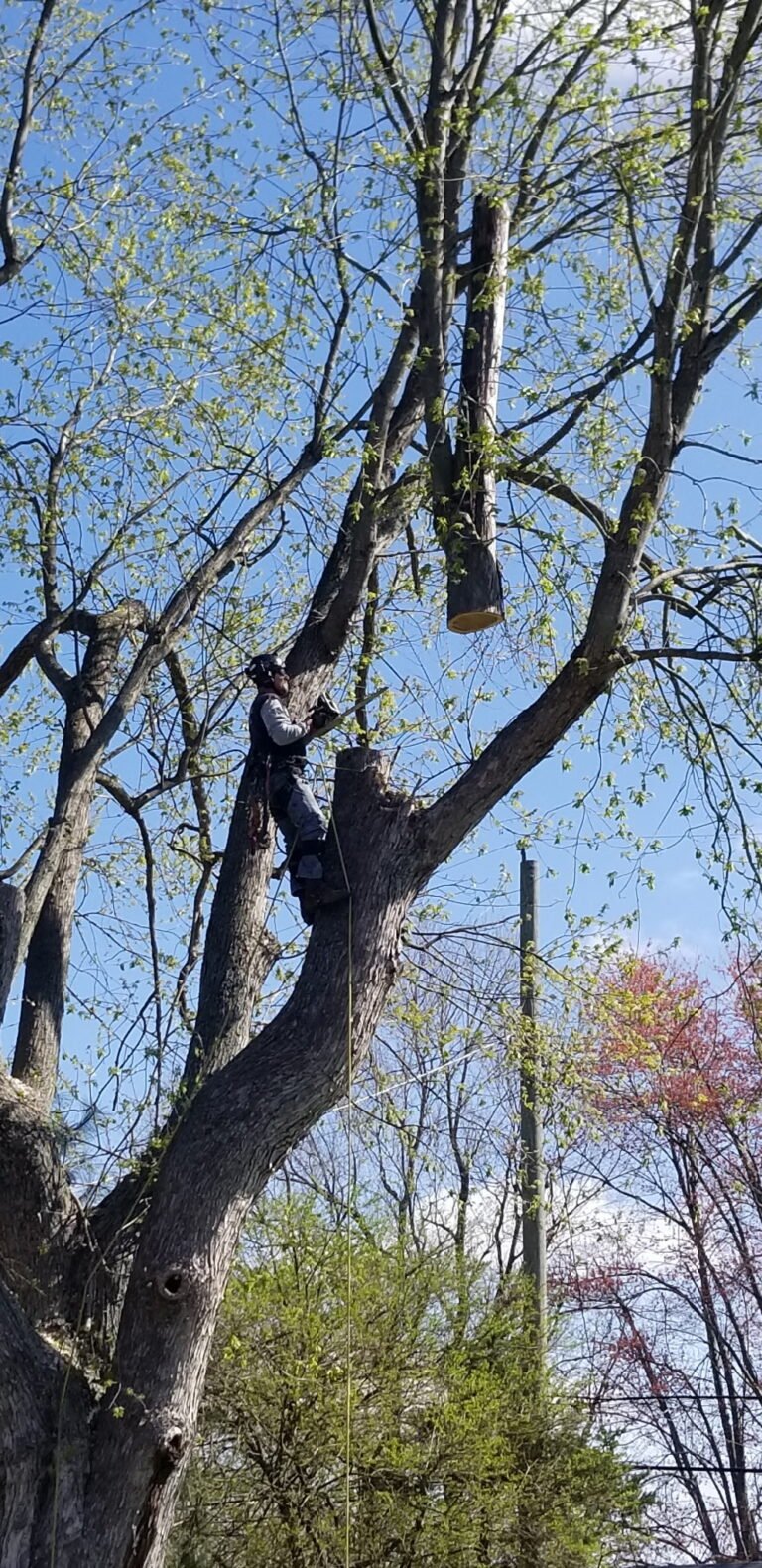
A short procedural checklist for typical stump grinding
- mark utilities and survey the area before work begins clear a working zone and protect turf or hardscapes grind the stump down to 3 to 6 inches below grade depending on future plans remove chips and backfill the cavity, or leave chips as mulch per customer preference
This succinct sequence is common, but execution matters. For example, grinding too shallow leaves visible hollows; grinding too deep risks encountering major roots that affect neighboring trees. Cummins tailors the depth and chip removal to your next steps, whether that is lawn seeding, planting a tree, or installing a patio.
Environmental practices that guide the work Cummins Tree Service emphasizes reduced-impact techniques. Whenever possible, chips from grinding are recycled on site as mulch or taken to municipal compost facilities. This reduces truck trips and returns organic matter to the landscape. When herbicides are under consideration for stump splaying, the team offers nonchemical alternatives and points out where chemicals could leach into groundwater or harm pollinators.
Noise, dust, and soil compaction are minimized. Equipment choices reflect that commitment. Cummins uses lighter machinery for residential lots and staggers jobs to avoid repeated heavy traffic on the same lawn. When excavating, they plan for soil replacement with native topsoil rather than cheap fill that compacts and kills root systems. This attention to detail preserves your soil biology rather than sterilizing it.
Examples from New Albany projects On a narrow lot near downtown New Albany, a homeowner called after a maple was removed because its stump made mowing hazardous near the side alley. Space was tight, and the neighbor’s foundation sat only a few feet away. Cummins recommended grinding to four inches below grade, salvaging chips for the homeowner’s raised beds, and compacting the soil to match surrounding grade. The job was finished in a morning, and the raised beds were planted the following weekend.
At a riverside property, a mature oak showed signs of oak wilt. The tree had been felled, but the stump risked harboring the pathogen. Given the stakes for the remaining mature oaks on the site, Cummins performed full removal and soil testing. The team also recommended a six-month monitoring plan to ensure no new symptoms emerged. That kind of follow-through reduces the chance that reactive work becomes repeated emergency calls.
Costs and timelines — realistic expectations Stump removal costs vary. Grinding a small stump might run a few hundred dollars, while a large stump that requires excavation and hauling could climb into the low thousands. Factors include diameter, root depth, accessibility, and equipment mobilization. In New Albany neighborhoods with tight access, labor can become the dominant cost as crews ferry debris by hand where trucks cannot reach.
Timeline is equally variable. Grinding usually takes under a day for residential properties. Excavation can require more time for safety, shoring, and soil handling. Chemical treatments take months. Cummins provides transparent estimates and tree care services in New Albany Indiana explains where uncertainty exists, for example if a stump sits near undocumented utilities. They also prioritize safety to avoid damaging underground gas, electrical, or sewer lines.
When to choose grinding versus excavation Think about what you want after removal. If you plan to plant a new tree in the same spot, excavation to remove the larger roots is worthwhile so the next root system is not competing with stump remnants. If you want a clean lawn and fast turnaround, grinding is efficient. If you suspect disease, excavation combined with soil testing reduces future risk.
Tree transplanting, trimming, and related services Cummins does more than remove stumps. Tree Trimming New Albany IN is a frequent request. Proper trimming improves tree structure, reduces storm damage, and extends the life of a specimen. The same arborists who inspect stumps are often trimming canopies, pruning cavities, and managing deadwood. For clients searching for "Tree Cutting Near Me" the differentiator is not price but the combination of safety, discretion, and follow-up.
Transplanting is a specialty. When a tree is small enough and valuable enough to move, Cummins prepares the root ball, times the dig to avoid stress periods, and gives post-transplant care instructions. They also advise on species suitability for New Albany microclimates, factoring river proximity, soil type, and typical summer heat.
Practical maintenance after stump removal New plantings require attention. If the stump was ground and chips left in place, incorporate those chips shallowly and cover with topsoil before seeding. Fresh wood chips can immobilize nitrogen for a season, so topdress with compost or fertilize cautiously. If the stump was excavated and backfilled, allow soil to settle and add a modest amendment before planting.
Young trees benefit from staking only when necessary, proper mulching to three inches but away from trunk contact, and initial watering schedules for six to twelve months depending on rainfall. Cummins provides tailored aftercare plans that include watering frequency, mulching depth, and timing for initial structural pruning.
Permitting and neighborhood considerations in New Albany Some projects require permits, particularly when they involve public right of way trees or streetside removals. Historic districts may have rules that restrict removal of certain species or require replacement plantings. Cummins navigates local regulations and can obtain permits on behalf of clients. They also coordinate with neighbors when trucks, cranes, or extended work might disrupt parking or sidewalks, and they make an effort to leave the site cleaner than they found it.
Safety protocols that protect people and property Safety is not negotiable. Crews wear protective gear, brace stumps during removal when needed, and use traffic control measures on busy streets. For larger excavations or when utilities are suspected nearby, the team waits for utility locates and coordinates digging to prevent strikes. Cummins trains its crews on confined space procedures and communicates risks to homeowners before work begins so there are no surprises.
How to decide when to call Cummins Deciding when professional help is warranted can be straightforward. If the stump is larger than a foot in diameter, sits near a foundation, or shows fungal growth, call an arborist. If you plan to plant in the same spot soon, or if the stump interferes with a landscape project, professional excavation is often worth the investment.
A short checklist for when to call a pro
- the stump is close to structures, sidewalks, or utility lines you plan construction, planting, or lawn renovation in that spot you notice fungus, insect activity, or sprouts from the stump the stump exceeds 12 inches in diameter or is in a hard-to-reach area
Choosing a contractor: what to look for Select a company that offers a transparent estimate, proof of insurance, and references from similar New Albany jobs. Ask about equipment size, chip disposal policy, and any guarantees for work performed. A reputable arborist will explain alternatives and not push the most expensive option if a less invasive solution meets your goals.
Final note on stewardship Removing a stump need not feel like capitulation to development. Done thoughtfully, it creates opportunities for new plantings, safer yards, and landscapes that support local ecology. Cummins Tree Service frames stump removal as part of a longer relationship. Whether you need Tree Trimming New Albany IN, tree transplanting, or simply to find a reliable team for "Tree Cutting Near Me", their approach places practical judgement and ecological care side by side.
If your yard has a problematic stump, an inspection from Cummins will give you a clear plan, costs, and realistic timelines. You get a team that understands New Albany soil, seasonal timing, and how a single stump can influence the health of surrounding trees and lawn. Good tree work preserves value, reduces future headaches, and invites new life into the landscape.
Cummins Tree Service
10245 Lotticks Corner Rd SE, Elizabeth, IN 47117
(502) 492-4208
[email protected]
Website: https://cumminstreeservice.com/